

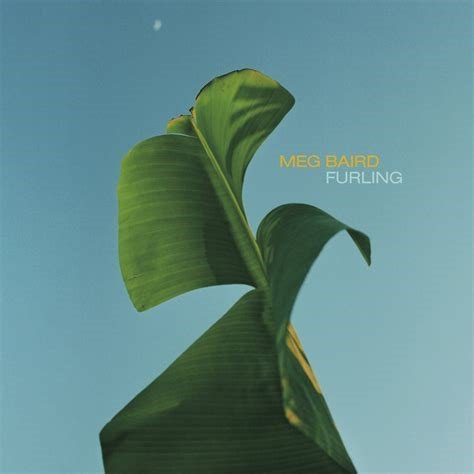
“You can do magic, you can have everything that you desire; Magic, and you know you’re the one who can put out the fire” (America, You Can Do Magic, 1982). There is something magic in Meg Baird’s music. It seems like everything she wants to express can be but in music with grace and unreachable poetry, because the singer from California has chosen the most delicate way to give her personal version of folk music. And it is not only about folk, because Baird’s music reminds directly the aesthetics and ideals of one of the most exciting pages of American music: seventies west coast.
Already from the debut album (2004) of her previous band, Espers with Greg Weeks and Brooke Sietinsons, it was clear that the union of psychedelic and folk was the stylistic figure of a little miracle made of angelic voices, acoustic guitars and dazzling melodies.
After the experience with Espers Meg started a solo career made of musical pearls (Dear Companion, 2007, is the best example) and relevant collaborations (Bill Callahan). So she entered the panorama of new American folk, grown up as a reaction to the vulgar and individualist regression of western society.
After seven years from her last release (Don’t Weigh Down The Light) is still there a need for the saving magic of folk? Yes of course after a pandemic, a war in Europe and one year before US elections in which Donald Trump could become (again) President. So Meg Baird comes back with Furling (out for Drag City), a collection of songs representing her talent in sharing emotions and giving relief with music.
The album starts with an instrumental, “Ashes, Ashes”, slow and reflexive. Driven by a sore piano and delicate vocalizing, as sirens calling to follow then to a different dimension, it is a jazzy interpretation of what psych folk can be nowadays. “Star Hill Song”, one of the most beautiful moments of the album, offers Meg the chance to express her proximity to Joni Mitchell’s legacy so her voice is mild and enchanting. Furling is an album full of sounds despite its premises and if piano and guitar are the center of the compositions (like in “Ship Captains” and in the breathtaking “Cross Bay”) there are some tracks in which the sound is layered and solid like in “Twelve Saints”, with its tension and melancholy. The final part of Furling is prerogative of tracks like “Will You Follow Me Home?”, powerful and rhythmic, which reminds the most beautiful pages of Turin Brakes.
Furling is for those who want to find deep beauty in music: so delicate and poetic that you can abandon yourself and connect to the best part of your soul. It is one of the best albums of this part of the year and it will leave its mark to the folk music coming next years.


